

Specialty coffee has become a worldwide phenomenon, enchanting the palates of coffee lovers everywhere. But behind every cup of this premium beverage lies the hard work and devotion of artisan farmers who cultivate the coffee beans with care and precision. These individuals put in not only their effort but also their hearts into creating high-quality coffee that is remarkable in a competitive market. From the choosing of the top specialty coffee beans to the careful harvesting process, the path of these beans is filled with captivating stories that deserve to be told.
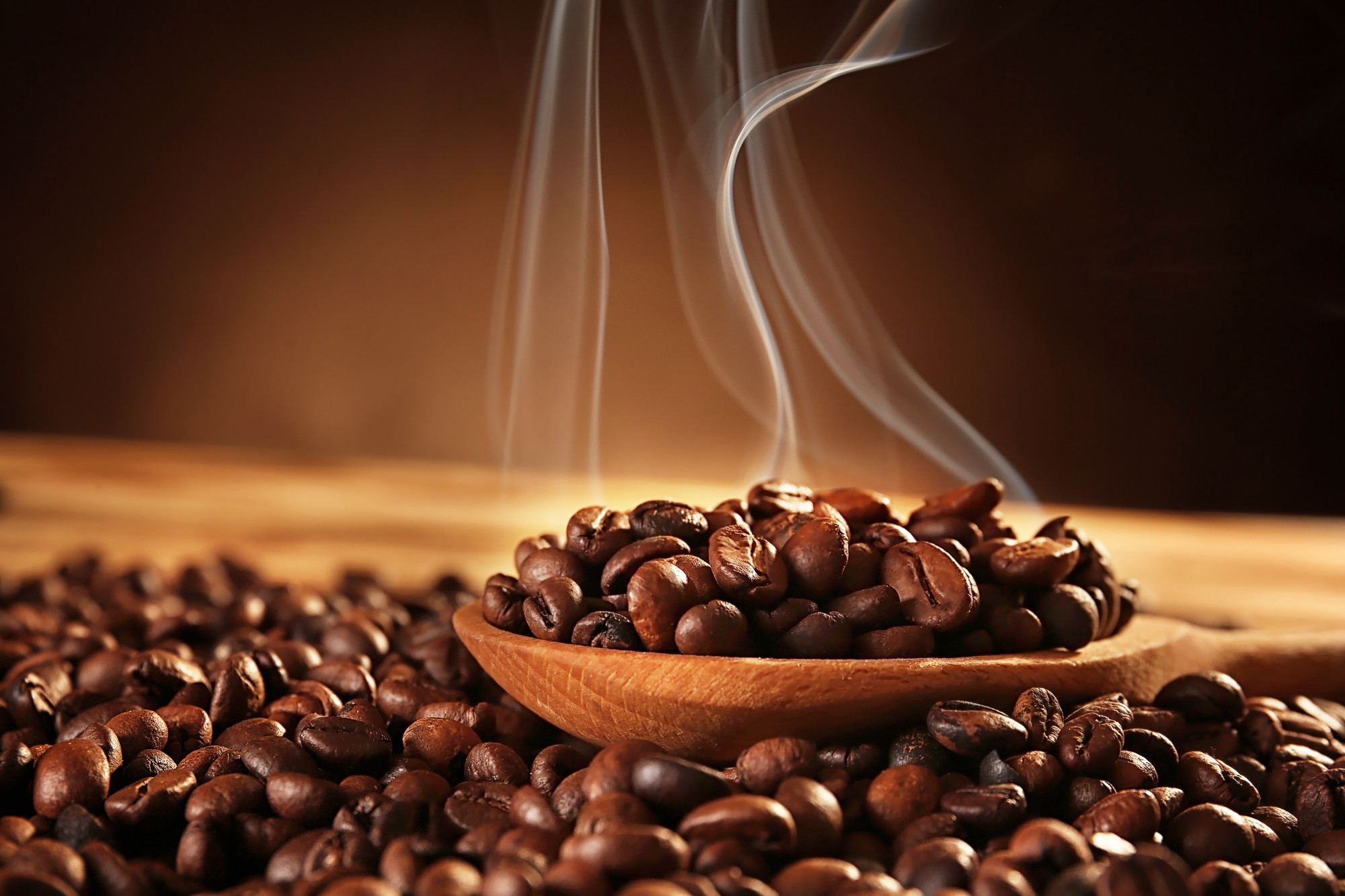
As we delve deeper into the world of specialty coffee, we will examine the nuances of different coffee types, such as arabica and robusta, and the factors that add to their unique tastes. Whether it's the decision between whole beans or ground beans, each decision greatly impacts the final cup. We will highlight the craft of coffee toasting and the meticulous attention paid to brewing techniques, showcasing how these elements combine to create that ideal shot of espresso or the best coffee grounds for brewing. Join us as we reveal the stories behind these skilled farmers and the exceptional coffee they bring to our tables.
The Path of Specialty Coffee Farmers
A path of specialty coffee farmers begins high in the mountains, w here the altitude and climate establish the ideal conditions for cultivating high-quality arabica coffee beans. Such farmers often depend on time-honored methods and sustainable practices, that not only enhance the flavor profile of their beans but also support the health of the environment. Every harvest season, they meticulously tend to their coffee plants, ensuring that only the ripest cherries are harvested to create the highest quality premium coffees.
After the cherries are harvested, the process of converting them into specialty coffee beans starts. Farmers use methods such as washed or natural processing to reveal unique flavors. Such attention to detail in processing plays a crucial role in the final taste. Once the beans are dried and hulled, they can be classified as specialty coffee beans, that must meet rigorous quality standards set by organizations which certify their high-quality status.
Finally, specialty coffee farmers take pride in their direct relationships with roasters and consumers. Many engage in coffee competitions and expos, showcasing their best lots and sharing their stories. This connection helps to create a market for their high-quality beans, allowing them to achieve fair prices and cultivating a community that values unique flavors and sustainable farming practices. Through their commitment, these farmers contribute substantially to the world of specialty coffee, ensuring that each cup tells a story of hard work and passion.
### Understanding Premium Brew Grains
Artisan brew seeds are thoroughly raised and harvested in order to attain the highest grade & taste profiles. These beans frequently come from specific areas known for their unique cultivation environments, which contribute to their unique flavor. Growers who focus in this variety of coffee pay careful attention to every aspect of the cultivation process, including picking the appropriate varietals as well as using eco-friendly agricultural techniques. The seeds are commonly harvested by hand at maximum maturity in order to ensure best taste development.
Once harvested, the treatment of specialty coffee beans plays a key part in defining their ultimate traits. Multiple methods, such as washed, syrupy, and unprocessed treatment, each method providing varied tastes and aromas to the beans. Adequate drying and brewing methods are critical to elevating the complexity of the brew. Once treatment, the seeds are thoroughly graded, where the highest-quality grains being classified as artisan, often getting scores of 80 or above on a hundred-point system from coffee tasters.
When it comes to preparation, artisan coffee is generally provided as whole coffee beans or can be milled depending on the chosen brewing approach. Many coffee enthusiasts choose to process seeds individually to achieve optimal taste. Choices like coffee grinded beans plus espresso coffee grounds cater to diverse approaches. Regardless of you opt for a bag of whole beans and a practical one-kilogram pre-ground coffee, the focus remains on preserving the deep tastes which distinguish premium brew, resulting in every mug a distinct adventure.
Brewing the Perfect Cup
To prepare the perfect mug of specialty coffee, the primary step is choosing the best coffee grounds. Top-notch artisan coffee grounds, especially 100% Arabica, enhance the finest flavors and aromas. Consider purchase whole coffee beans and grind them just before brewing. This guarantees maximum freshness and best flavor extraction. For the greatest results, invest in quality seeds and aim for a good mix between light, medium, or dark roasts based on your taste preferences.
After that, pay attention to your brewing approach. Whether you're using a pour-over, French press, or espresso machine, the technique greatly affects the final taste. For espresso, use the highest quality coffee beans for espresso, ensuring the grind is fine enough to create the rich crema that defines quality espresso. The water temperature should be in the range of 195 and 205 degrees Fahrenheit. Additionally, use the correct coffee-to-water ratio; typically, a ratio of 1:15 works well for brewed coffees, while espresso demands a ratio closer to 1:2.
In conclusion, don’t overlook the importance of water quality. Using purified or bottled water can improve the flavor profile of your coffee. Once brewed, savor the freshness of your specialty coffee, be it you prefer it black or with a splash of milk. Play around with different brewing techniques, and you may find that your favorite cup varies according to the seeds and methods used. With the right approach, brewing the ultimate cup becomes a delightful ritual in your daily routine.