

Brew is beyond a simple habit; it is an artistic expression, a complex blend of notes and scents that can change an average day into an extraordinary experience. In the last few years, the rise of gourmet coffee has gained immense popularity, encouraging enthusiasts to appreciate the unique characteristics of every cup. From the detailed cultivation of bean varieties to the elaborate brewing techniques, every part in the process of making coffee contributes to the ultimate experience you hold in your hands.
Gourmet coffee offers a journey through diverse flavor dimensions and origins, showcasing the unique traits of different coffee beans. Whether you favor the creamy and rich notes of arabica or the intense flavor of espresso, there is a realm of choices waiting to be uncovered. With the accessibility of kilogram bags of coffee for offering whole bean and milled coffee, exploring numerous blends and flavors has never been easier. Join us as we delve into the nuances of gourmet coffee and learn how to create unique flavors in each sip.
Delving into Gourmet Coffee Varieties
Gourmet coffee includes a broad range of high-quality coffee that is meticulously grown, handled, and crafted to showcase distinct flavors and origins. The most popular types of gourmet coffees consist of Arabica and Robusta, each providing unique taste profiles. Arabica is renowned for its creamy, intricate flavors and acidity, which makes it favored by coffee connoisseurs. Robusta, on the contrary, offers a bolder, more bitter taste with a higher caffeine content, commonly used in espresso blends to generate a richer body.
In the realm of artisan coffees, single-origin options are greatly desired. These coffees are sourced from specific regions, allowing drinkers to experience the unique terroir connected to their production. For instance, Ethiopian coffee is celebrated for its floral and fruity-flavored notes, while Colombian coffee is noted for its balanced flavor and mild acidity. Discovering the diversity of these origins opens up a universe of flavors that cannot be replicated in blended coffees.
Another exciting aspect of gourmet coffee is the range of processing methods that can influence taste. get more info , washed, and honey processes every one impart different characteristics to the beans. The natural method emphasizes fruity flavors, while the washed method commonly leads to a more crisp cup with pronounced acidity. Honey processing strikes a harmony between these two, resulting in sweetness and complexity. Grasping these methods is crucial for those looking to enjoy the complete essence of artisan coffee and appreciate the artistry behind each sip.
Grinding Techniques for Taste Enhancement
When it comes to specialty coffee, the process of grinding plays a key role in revealing the complex flavors concealed within the coffee beans. Various milling methods can yield unique results, affecting not only the taste but also the scent of your brew. Using a coffee grinder is strongly advised for achieving a uniform grind size, which allows for optimal extraction. For espresso, small grinds are essential, while a coarser grind is suitable for methods like French press. Spending time in choosing the right grind can greatly enhance the coffee sensation.
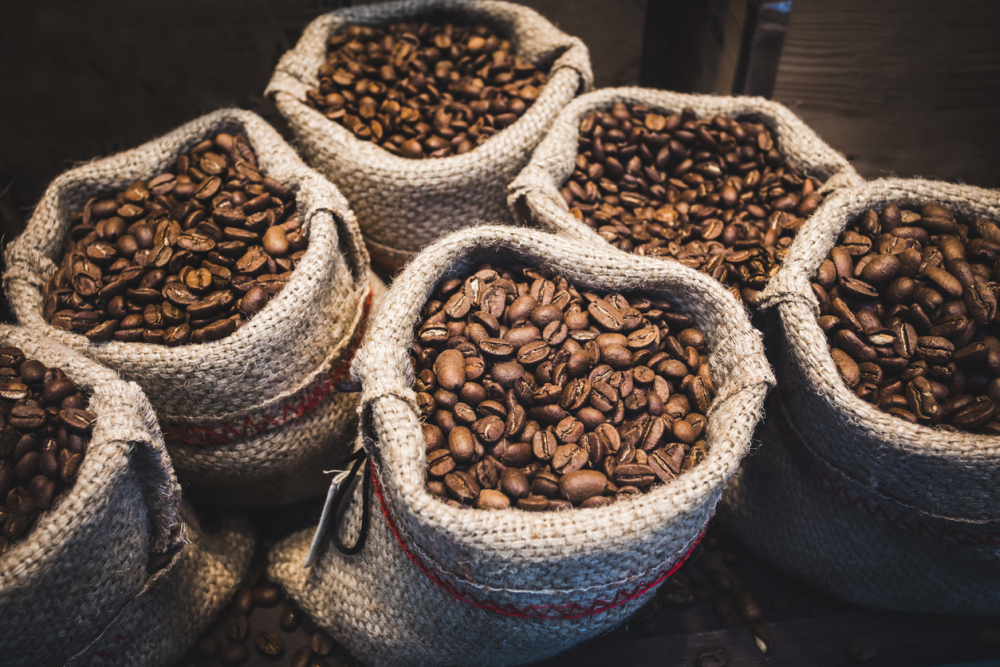
Another important aspect of milling specialty coffee is the quality of the coffee beans. Whole coffee beans hold their taste far more than pre-ground options. Therefore, grinding your coffee beans just before brewing is best for capturing the full range of tastes. Whether you're using 1kg of coffee beans or lesser amounts, ensuring that your ground coffee is recently made can elevate your daily cup. For those experimenting at home, think about a portable grinder, which provides convenience without compromising on standards.
Lastly, understanding the kind of coffee you are dealing with can influence your grinding technique. Specialty coffees, like arabica coffee, may profit from a specific grind size to emphasize their distinctive characteristics. For instance, when dealing with arabica coffee grounds, a medium grind can achieve the ideal balance between flavor extraction and brewing time. By giving attention to these aspects and practicing with different milling methods, coffee enthusiasts can enhance each sip of their homebrewed drinks.
Opting for the Best Beans for Your Brew
When it comes to creating the perfect cup of speciality coffee, selecting the right coffee beans is essential. Which type of bean you choose will significantly impact the taste and overall character of your brew. Gourmet coffee, particularly Arabica varieties, is widely acknowledged for its deep taste and enticing qualities. Search for intact coffee beans that are freshly roasted, as quality is key to achieving superior flavor. Contemplate experimenting with different roasts to find a mix that suits your taste buds.
Additionally important factor to consider is grinding texture of the coffee. Different brewing methods require specific grind sizes, such as espresso grounds for a bold shot or rougher grinds for a French press. Investing in the best coffee beans for grinding can enhance the coffee experience. Newly grinded coffee beans emit essential oils and flavors that pre-ground varieties may not offer. A quality burr grinder can ensure that you achieve the perfect consistency for your preferred brewing method.
Lastly, don't overlook the importance of sourcing your coffee beans from reputable suppliers. Specialty roasted coffee often comes from specific regions known for their distinct flavor profiles. Whether you're buying 1kg coffee beans or 1kg ground coffee, focus on sustainability and quality. Exploring various origins and preparation techniques will broaden your knowledge for coffee, enabling you to savor the special flavors crafted in every sip of the brew.